
维多利亚女王

| 维多利亚女王 Queen Victoria | |||||
|---|---|---|---|---|---|
 1882年的维多利亚女王 | |||||
| 联合王国女王 | |||||
| 統治 | 1837年6月20日-1901年1月22日 (63年216天) | ||||
| 加冕 | 1838年6月28日 | ||||
| 前任 | 威廉四世 | ||||
| 繼任 | 爱德华七世 | ||||
| 印度女皇 | |||||
| 統治 | 1876年5月1日-1901年1月22日 (24年266天) | ||||
| 德里杜尔巴 | 1877年1月1日 | ||||
| 繼任 | 爱德华七世 | ||||
| 出生 | 1819年5月24日 英國英格兰伦敦肯辛顿宫 英國英格兰伦敦肯辛顿宫 | ||||
| 逝世 | 1901年1月22日(81歲) 英國英格兰怀特岛郡奧斯本莊園 | ||||
| 安葬 | 1901年2月4日 | ||||
| 配偶 | 阿尔伯特亲王 (1840年结婚—1861年丧偶) | ||||
| 子嗣 詳情 | |||||
| |||||
| 王朝 | 汉诺威王朝 | ||||
| 父親 | 肯特及斯特拉森公爵愛德華王子 | ||||
| 母親 | 萨克森-科堡-萨尔费尔德的维多利亚公主 | ||||
| 簽名 |  | ||||
 | |||||
维多利亚女王(英語:Queen Victoria;1819年5月24日—1901年1月22日),全名亚历山德丽娜·维多利亚(英語:Alexandrina Victoria),1837年6月20日即位为英国女王,1876年成為印度女皇,是唯一擁有女皇帝頭銜的英國女性君主。她統治期間被称为维多利亚时代,是英國在工业、文化、政治、科学与军事都得到相当大发展的时期,伴隨而來的是大英帝国的大幅扩张。
出生與成為推定繼承人[编辑]
维多利亚父亲為英王乔治三世四子肯特与斯特拉森公爵愛德華親王,母亲乃德國公主、肯特公爵夫人、萨克森-科堡-薩爾費爾德公主维多利亚。小舅是比利時首任國王、鳏夫利奥波德。在维多利亚出生两年前(1817年),既是堂姐也是小嬸的夏洛特公主死於难产(夏洛特公主的逝世)造成英国一场继承危机,因為她是當時王位第二順位繼承人(僅次於他父親),這给了乔治三世諸子们生育的压力,肯特公爵在1818年与肯特公爵夫人结婚,獨女维多利亚於1819年5月24日4点15分在伦敦肯辛顿宫出生。

1819年6月24日,维多利亚在肯辛顿宫Cupola Room由坎特伯雷大主教查尔斯·曼纳斯-萨顿施洗[註 1],取名为亚历山德琳娜(Alexandrina),从其一位教父亚历山大一世之名,次名则从母亲维多利亚(Victoria)。由她父母提出的其他候選名字還有乔治娜(Georgina或 Georgiana)与奥古斯塔(Augusta),都被大伯摄政王否决。
维多利亚出生时是第五顺位继承人,次於她三位伯父分别为:摄政王、约克公爵与克拉伦斯公爵(即之後的威廉四世)与父亲之后,當時摄政王与妻子分居,约克公爵已52岁,皆難有子嗣。三伯与父亲肯特公爵同日结婚。三伯长女夏洛特在1819年出生不久即去世。次年,维多利亚的祖父、父亲相繼一週去世,年底,三伯次女伊丽莎白公主出生,维多利亚的继承顺序因而下降一位,但伊丽莎白公主次年即夭折,而後身為王位第一顺位继承人(推定继承人)的二伯在1827年去世,维多利亚成为王位第二顺位继承人。
1830年,大伯乔治四世去世,三伯继位為威廉四世,维多利亚成为王位第一顺位继承人(推定继承人)。1830年摄政法令规定,若威廉四世去世,则可由肯特公爵夫人摄政。然1836年新颁布的摄政法令規定,若维多利亚繼位時已年满18岁,则得免摄政。
童年故事[编辑]

维多利亚自称她的童年“相当忧郁”(rather melancholy)。由於母亲对她非常严格,使得她在与其他儿童隔绝的肯辛顿系统下成长。这套严格的规定由肯特公爵夫人与她的绯闻情人—主计长约翰·康罗伊爵士所设计,用以避免公主與“不良”者见面(而谁是“不良”的人,则由肯特公爵夫人与康罗伊定夺,其中包括维多利亚父系的大部分家族成员),并欲使维多利亚性格软弱、依赖他们,日后的维多利亚精神或许与此有关,维多利亚與母親每晚共室而眠,按表與家教学习,玩乐时间与玩偶、查理王小猎犬达什渡过,课程包括法文、德文、義大利文与拉丁文,但在家中,她只使用英文。

1830年,母親与康罗伊带领维多利亚越过英格兰中部游览莫尔文丘陵,在沿途城镇、乡间别墅停留。他们在1832年到1835年間也到英格兰与威尔士其他部分做了类似游览。与威廉四世相反的是,维多利亚在每一站都受到了热烈欢迎,前者也因此将她视为对手而非推定继承人。然维多利亚不喜欢这些旅程,频繁出现在公众场合使她疲倦、生病,她的休息时间很短。维多利亚曾藉国王反对來提出暂停旅程。但母亲以国王的反对是出于妒忌為由,强逼维多利亚继续旅程。1835年10月,维多利亚在公羊门数次发烧,康罗伊认为她在裝病而未理会,當時康罗伊与公爵夫人试图让前者成为她的私人秘书未果。年轻的维多利亚不断阻止康罗伊进入她的随从行列。某次,她禁止康罗伊在她面前出现,但他仍然留在她母亲家中。
1836年,公爵夫人的弟弟利奥波德一世,希望外甥女维多利亚與他的侄子萨克森-科堡与哥达的阿尔伯特结婚,在利奥波德的安排下,维多利亚的母亲在1836年5月介绍维多利亚與阿尔伯特認識,然威廉四世反对维多利亚与科堡成员结婚,并提出以荷兰奧蘭治親王威廉次子亚历山大王子代替。维多利亚在日記中對各个丈夫候选人作出评判性评论,起初她非常欣赏阿尔伯特,阿尔伯特到访后,她写到:“阿尔伯特非常英俊;髮色与我一样;他的眼睛大而蓝,并有一只美丽的鼻子与一张非常甜美的嘴巴,里面的牙齿白净整齐;最令人愉快的是,他善于用表情表达自己的感受。”而另一位候选人,她则评论到:“很平淡。”
维多利亚向她所认为的“最佳、最善心的顾问”舅父利奥波德写信,感谢他向她介绍了阿尔伯特,称阿尔伯特带给了她极大的快乐。虽然维多利亚对阿尔伯特感兴趣,但她年方17,还不到结婚的时候。
在位初期[编辑]

1837年5月24日,维多利亚年满18岁(毋須母親摄政),同年6月20日威廉四世駕崩、维多利亚繼位。她在日记中写到:「六点钟,母親喚醒我並說坎特伯雷大主教与肯林根勋爵求見,我起床,獨自走进客厅(只穿着晨衣),勋爵跟我說,我那可怜的王伯父,在今晨兩點十二分駕崩,而我現在是女王了。」當天她在文件屬名亚历山德丽娜·维多利亚,后来依她意愿僅留用「维多利亚」。
英国君主雖自1714年起兼任德意志汉诺威王国君主,但根据薩利克法,女性無權继位,因此,汉诺威王位由维多利亚五叔首代坎伯兰和特维奥特戴尔公爵恩斯特·奥古斯特继承,當時他也是维多利亚的推定继承人。
维多利亚登基时,政府为辉格党所领导,首相墨爾本勋爵一度对初出茅廬的女王有巨大影响力。查尔斯·格莱威认为孤家寡人的墨爾本“十分喜欢她,将她視爲己出”(英語原文:passionately fond of her as he might be of his daughter if he had one),而维多利亚则可能視其如父。她的加冕仪式在1838年6月28日举行,她是首位居住白金汉宫的英国君主,女王每年谨慎地以自康沃尔公国和兰开斯特公国收穫385,000英镑償清父债。
在位初期,维多利亚很受欢迎,但其声誉在1839年的一个烏龍事件中受损。她母亲的一个女侍官、弗洛拉·黑斯廷斯由於腹部無故变大且拒絕受檢,討厭她的李琴男爵夫人和貝德福公爵夫人散播謠言指黑斯廷斯可能與約翰·康羅伊爵士有染,维多利亚相信了此谣言[1],她憎恨康罗伊,并鄙视那位“可憎的弗洛拉”[2],因為此女在肯辛頓體系中和康羅伊及肯特公爵夫人同謀[3]。弗洛拉直至二月中旬才同意接受检查,结果发现她还是处女。自此康罗伊、黑斯廷斯家族与在野的托利党组织了一次出版战,散布谣言,称此事与女王有关,维多利亚被公众讥讽为“墨尔本夫人”(Mrs. Melbourne)。
当时英国虽已确立君主立宪制,國君只是象征性国家元首,但她仍试图私下影响英国政府政策及官员任命等政务。1839年,墨爾本入激進黨(Radiccals)与托利党(两党皆被维多利亚所厌恶),投票反对暂停牙买加立宪法案。法案从政权中移去抵制相关法律废除奴隶种植园所有者,维多利亚委任保守党主席罗伯特·皮尔爵士组成新政府。当时,皇室內廷官(Royal Household)通常由首相命其政治盟友的配偶擔任。女王有許多寢室女官是辉格党人之妻,而皮尔欲以托利党人之妻代替她们(此次事件被称为Bedchamber Crisis),维多利亚在墨爾本的建议下回絕皮爾的安排,皮尔因拒绝在女王施加的限制下执政而辭職,墨爾本再次上任。
女王大婚[编辑]

依社会习俗,未婚的女王尚需与母亲一起生活。然而母女间的分歧依舊存在于整个肯辛顿体系,她母亲依然信赖康羅依。[4]维多利亚即位后她的母亲被安置在白金汉宫一間位置偏僻的房间里,维多利亚经常拒绝見她。[5]维多利亚曾向首相墨尔本勋爵抱怨母亲的密切监视是她“多年的煎熬”,墨尔本对此表示同情並建議女王利用婚姻來规避。维多利亚称其婚姻为“令人震惊的转变”,[6]之前她经常關心這位未來王夫候選人阿尔伯特所受的教育,不過她也反对任何强迫她结婚的企图。[7]
1839年5至6月,维多利亚曾与到访的俄罗斯皇储亚历山大二世有过一段甜蜜的初恋,当时激动不安的维多利亚曾在日记中毫不掩饰地表达了对这位深情英俊的俄国皇储的迷戀。但在国家利益和政治考虑下,维多利亚最终决定仍与阿尔伯特结婚。1839年10月,阿尔伯特再次拜访维多利亚,维多利亚對他很是赞赏,很快兩人心意互通,仅仅在阿尔伯特抵达温莎五天之后的10月15日,女王向阿尔伯特求婚。[8]1840年2月10日兩人在伦敦圣詹姆士宫皇家教堂完婚,当时维多利亚女王神魂俱醉,婚礼结束后当晚因头痛躺卧在床,但她在日记中写道:
| “ | I NEVER, NEVER spent such an evening!!! MY DEAREST DEAREST DEAR Albert ... his excessive love & affection gave me feelings of heavenly love & happiness I never could have hoped to have felt before! He clasped me in his arms, & we kissed each other again & again! His beauty, his sweetness & gentleness – really how can I ever be thankful enough to have such a Husband! ... to be called by names of tenderness, I have never yet heard used to me before – was bliss beyond belief! Oh! This was the happiest day of my life![9] | ” |
| ——我从来没有拥有过这样的夜晚,从来没有!!!我最亲爱最亲爱最最亲爱的阿尔伯特... 他给了我无与伦比的爱和幸福,这样的爱这样的幸福我以前做梦都没有梦到过!他紧紧地把我抱在怀里,我们不断地拥吻!他的英俊、他的甜蜜與他的温柔——天哪!真的是多少次的祈求才能让我拥有这样一位夫君啊!他叫我親愛的... 我以前还从来没被这样叫过——这一刻的欢乐真是无法想象!天哪!这是我生命中最快乐的一天! | ||
阿尔伯特自此取代墨尔本勋爵成为女王的重要政治顾问及伴侣,在女王在位前期位高权重、占据主导。[10]而维多利亚的母亲被赶出了王宫,安置在贝尔格雷夫广场的住所中。1840年奥古斯塔索菲亚公主逝世后,维多利亚的母亲在克拉伦斯宫和浮若阁摩尔楼中生活,[11]后经阿尔伯特调解,母女关系才逐步改善。[12]

婚后不久,女王怀孕。1840年身怀六甲的女王与夫婿坐着马车前去探望母亲时,18岁的爱德华·奥克斯福德企图兩次開槍暗杀她未果,此后被以叛国罪起诉,但又以患有精神障碍为由獲判无罪。[13]这次暗杀使维多利亚声望剧增,淡化了公众對弗洛拉.黑斯廷斯事件和闺房危机的不满情绪。[14]女王长女维多利亚出生于1840年11月21日。女王讨厌怀孕、[15]厌恶哺乳[16]并认为新生儿很丑,[17]然而她和王夫陸續又育有八个子女。
维多利亚的家务大部分由她童年的家庭女教师路易丝·兰辛男爵夫人处理。兰辛夫人来自汉诺威,对维多利亚的性格形成产生过很大影响,[18] 她还支持维多利亚反抗肯辛顿体系。[19]但是阿尔伯特认为兰辛夫人并不称职,而且因其不良管理使公主的健康受到威胁,维多利亚和阿尔伯特间也因此产生激烈争吵,最后兰辛夫人被解雇,维多利亚与她的亲密关系自此终结。[20]

1842年-1860年[编辑]

1842年5月29日,正当维多利亚女王的马车沿着伦敦林荫道大道行进时,约翰·弗朗西斯执枪行刺,不过枪未击发,约翰·弗朗西斯转身逃脱。翌日女王沿着同样的路线行进以诱補兇手,只是行進速度更快、护卫更严,不出所料,再次出現的弗朗西斯迅即被便衣警察逮捕,之后以叛国罪起诉。7月5日,约翰·威廉·比恩用手枪袭击女王,但其枪膛内只装有烟草和纸,因此几乎没有受到指控,而此时離弗朗西斯的死刑改判终生流放才过两天。[22]爱德华·奥克斯福德认为,比恩被从轻發落是因为爱德华自己在1840年被无罪开释,但最终比恩被判18个月监禁。[23]与此相似,1849年女王途经宪法山,一名失业的爱尔兰人威廉·汉密尔顿用火枪袭击女王马车。[24]隔年,患有精神疾病的前军官罗伯特·佩特袭击女王,当时女王坐在马车中,佩特用手杖打破女王的帽子并击伤女王额头,汉密尔顿和佩特二人都被判七年流放。[25]
女王在位早期,下议院对墨尔本的支持越来越弱,辉格党在1841年大选中落败,皮尔继任首相,与白金汉宫女王闺密们关系密切的辉格党人的地位被取代。 [26]
1845年,愛爾蘭大饑荒爆發,[27] 其后四年,逾百万爱尔兰人死亡,近百万举家逃亡,[28]女王因而在當地被讥称为“饥荒女王”。[29][30]其实女王个人捐献2000英镑赈灾款,这个数字比其他任何个人都多,[31]她也不顾新教反对,支持梅努斯·格兰特在爱尔兰建立罗马天主教神学院。[32]
1846年,“谷物法”的废除使得皮尔政府飽受批评,很多保守党人也反对废除该法,但女王和一些支持保守党人、辉格党人都支持废除,废除案勉强通过之后,皮尔于1846年辞职,约翰·罗素勋爵代其出任首相。[33]
女王热心于改善英法关系,[34]她主持很多英国皇室成员和奥尔良宫间的互访活动,並通过克伯格斯的婚姻与奥尔良宫建立关系。在1843至1845年间,女王夫婦与路易斯·菲利普一世在诺曼底德尤堡中会晤,这是自1520年英王亨利八世和法王弗朗西斯一世在金缕原会晤后,'兩國君主的再次見面。[35]1844年路易斯·菲利普一世回访英格兰,成为首為造访英国国王的法国君主。[36] 1848年革命爆发,路易斯遭黜,流亡英格兰。[37]因对1848年革命的极大恐惧,女王举家前往怀特岛上的奥斯本宫(1845年購入的皇家私产)。[38][39]愛爾蘭民族主義以及示威活动並未获得广泛支持,革命活动未起波澜便已偃旗息鼓。[40]雖然女王於1849年首次前往爱尔兰迴響甚佳,但对于日渐兴起的爱尔兰民族主义运动并為产生深远的影响。[41]
尽管女王并不喜欢罗素的政府由辉格党人组成,[42]特别是外交大臣帕默斯顿勋爵经常未经内阁、首相或女王同意便擅作主張。[43]女王雖多次向罗素抱怨帕默斯顿,但後者并未去职而且一如既往,直到1851年,因逕自宣布英国政府对夏爾-路易-拿破崙·波拿巴政变取得總統大位表示支持,帕默斯顿而被解職。[44]翌年波拿巴总统成为拿破仑三世,这一时期的罗素政府被短命的德比勋爵少数政府取代。
1853年借助于新的麻醉剂氯仿,女王產下第8个孩子利奥波德。由于女王对生产之痛铭于肺腑,虽然神职人员表示反对,认为这有违圣经的教导;医疗团队成员也因風險過高表示反对,女王在第9个孩子出生时仍再次使用氯仿。[45]女王可能在多次生产后患上产后抑郁症。[46]阿尔伯特在写给女王的信件中不断抱怨,比如在利奥波德滿月后,阿尔伯特在信中抱怨女王经常“因一些鸡毛蒜皮的小事而歇斯底里”。[47]
1855年初,克里米亚战争中政府对英军管理不善,取代德比政府的阿伯丁勋爵政府陷入一片指责声中,随后女王同时召见德比和罗素,要求他们组织政府,但二者均未获得足够支持,女王只好任命帕默斯顿为首相。[48]
英法在克里米亚战争中密切合作后,拿破仑三世于1855年4月访问伦敦,[46]女王夫婦則在同年8月17至28日回访。[49]拿破仑三世亲往敦刻尔克迎接女王夫妇并陪伴他们直到巴黎。女王夫妇参观世界博覽會(该博览会继承1851年阿尔伯特关于万国博览会的设想)、巴黎荣军院的拿破仑一世之墓(拿破仑一世的遗体迟至1840年才移葬此处),并作为贵客参加凡尔赛宫1200人的舞会。[50]
1858年1月14日,来自英国的意大利难民奥西尼企图用英国制造的炸弹袭击拿破仑三世。[51] 随即而来的外交危机使政府陷入困境,帕默斯顿因此辞职,德比复任首相。[52]8月5日女王夫妇参加法国军港瑟堡的新港启动典礼,拿破仑三世欲以此消除英国疑虑,让他们认为法军备战别有目标。[53]与法国海军相比较之后,女王认识到自家海军建设落后,在返程路上为此写信责备德比,不久,女王在1859年重新召回帕默斯顿。[54]

左到右:爱丽斯,阿瑟,时为威爾士親王的爱德华七世,利奥波德(在他面前),路易斯,贝翠丝,阿尔弗雷德,維多利亞長公主和海伦娜
奥西尼袭击案发生七天后,女王长女維多利亞長公主与普鲁士王子腓特烈·威廉在伦敦举行婚礼。二人已于1855年订婚,当时长公主年方14,在阿尔伯特的主张之下,婚礼推迟三年。[55]女王夫妇期望女儿女婿能够使英国免受日益壮大的普鲁士的影响,[56]看到长女踏上德国之旅时女王伤心不已,此后女王与长公主保持频繁通信。女王在写给长公主的信中说“当我看到妳那些生活甜蜜幸福但懵懂无知的妹妹们,一想到我不得不将她们全部送走—一个接一个地,我就浑身发抖”。将近一年后,长公主生下女王的長外孙威廉。[57]
孀後隱居[编辑]
1861年3月,女王母亲去世,女王亲侍在侧。透过阅读母亲遗作女王发现母亲其实深爱自己,[58]这使女王为之心碎,并由此责怪康罗伊和兰辛居心叵测地离间她们母女。[59]为了让妻子从丧母巨痛中恢复,阿尔伯特承担很多女王的事务。[60][61]是年8月,女王夫妇看望他们的長子威尔士親王,并参观其正在服役的沼泽军营,之后女王夫妇在基拉尼住了一段时间。11月,阿尔伯特驚聞長子与爱尔兰女演员同居,[62]特地前往長子正在就讀的剑桥大学与其面谈,[63]12月初阿尔伯特感到非常不适,[64]威廉·加纳诊断他罹患风寒,亲王最终于1861年12月14日不治,女王认为丈夫的故去起因于長子的荒唐而說到“他死于可怕的事务”,[65][66]此后女王餘恨绵绵,在余生裡只穿黑袍、避免与公众见面,隨後多年隐居、鮮少涉足伦敦,[67]而有“温莎遗孀”之名。[68]
女王的隐居消弱了公众对君主制的向往,間接滋長共和运动。[69]不过女王确实承担其應盡的责任,但依然仅限于其王宫—温莎城堡、奥斯本宫及苏格兰寓所中,其中苏格兰寓所巴尔莫勒尔堡是女王夫婦在1847年私人购置,1864年3月,反对者在白金汉宫栅栏上贴上布告“这些房子应该让那些真正做事的人居住或购买”。[70]由此王叔利奥波德向她写信并建议其应该公開露面,最后女王同意参观肯辛顿皇家园艺协会的花园,并乘坐敞篷马车横穿伦敦。[71]
.jpg)
摄自乔治·华盛顿威尔逊
19世纪60年代,女王越来越依赖于苏格兰男仆约翰·布朗,[72]一时风言四起,甚至有二人秘密结婚的谣言见诸报端,稱女王为“布朗夫人”,[73]1997年的电影《布朗夫人》就是以他们的故事为题材,英国皇家艺术学会也展出埃德温·兰西尔爵士的一副以女王和布朗为主题的油画,女王出版的《日记留影—我们的苏格兰高地生活》一书,书中女王特别描写了布朗,而且高度赞扬了他。[74]
帕默斯顿于1865年去世,在罗素执政一段时间后,德比重新掌权。1866年,女王在丈夫去世后首次参加国会开幕大典,[75]接下来的几年中她支持《1867改革法》通过,该法案以赋予城市工人选举权的方式使选民扩大两倍,但她仍不赞同妇女参加选举。[76][77]德比于1868年辞职,为本杰明·迪斯累利取代(迪斯累利的阿谀功夫让维多利亚女王着迷),迪斯累利说“人人喜欢奉承,当你走入王室,就应该手拿泥刀不断粉饰”。[78]他经常如此恭维女王:“陛下,我们的主宰”,[79]不过迪斯累利的政府只存在数月,是年年末他的对手威廉·艾华特·格莱斯顿被任命为首相。
1870年,女王的退隐生活滋长英国的共和主义,法兰西第三共和正是这种氛围中建立的。[80]在一次特拉法加广场的共和党人集会中,人们要求女王退位,激进分子還公开反对女王。[81]1871年8月和9月间,女王胳膊长了肿瘤,约瑟夫·李斯特用抗感染性石碳酸喷雾成功实施手术并治愈女王。[82]1871年11月底共和运动高涨,与此同时王儲患上曾令阿尔伯特亲王薨逝的傷寒,女王非常担心儿子不治,[83]在阿尔伯特亲王逝世十周年之际,王儲病情未见好转,女王忧心忡忡。[84][85]最后威尔士親王還是挺了过来,随后母子二人参加伦敦的一次公众游行,並且在1872年2月27日的感恩节上给圣保罗大教堂捐赠不菲,这让共和气氛逐渐消散。[86]
1872年2月的最后一天,当时女王刚到白金汉宫不久,17岁的亚瑟·奥克勒向女王的敞篷马车挥舞无弹手枪,布朗抓住奥克勒,随后奥克勒被判12个月监禁,[87]该事件让女王的声望再次大大恢复。[88]
印度女皇[编辑]

1857年印度爆发印度兵譁變,之后管理印度大部分地区的东印度公司被解散,英国在印度次大陆的财产和保护权正式并入大英帝國。女王对冲突双方持有相对平衡的态度,对双方的暴徒都予以治罪。[89]她曾写到“对这次血腥内战深感悲惨與遗憾。”[90]而且在王夫的推动下,她坚持官方要正式宣布将东印度公司的权力移交国家,认为国家“应该呼吸慷慨、仁慈和宗教自由的空气”。[91]在她的提议下,废除了一份有“破坏本土宗教和风俗”倾向的文件,代之以保证信仰自由者。[91]
1874年大选后,迪斯累利重新掌权。他通过了1874年公众信仰监管法案,该法案将天主教仪式从国教中全部剔除,女王对此强烈支持。[92]女王喜欢简洁朴素的仪式,相比於英国圣公会教堂,她更愿意去蘇格蘭長老會教堂。[93]同时迪斯累利又促使议院通过了1876年皇家头衔法案,由此女王于1876年5月1日获得“印度女皇”头衔。[94]並在隔年元旦於德里举行加冕礼,本人并未亲自出席。[95]
1878年12月14日阿尔伯特亲王忌日当天,女王次女、黑森路易大公夫人爱丽丝公主在达姆斯塔特因病不治,女王认为这个日期巧合到難以置信。[96]1879年5月萨克森-梅宁根的菲多雅公主诞生了—女王當了曾祖母,同月女王度过了她“又老又可怜”的60岁生日,半年前爱女去世令她倍感苍老。[96]
1877年4月到1878年2月间,她五次以退位相胁,向迪斯累利施压让其在俄土战争中反对俄国,然而她的威胁收效甚微。[97]女王支持迪斯累利的领土扩张政策,此亦导致如祖鲁战争和第二次英阿战争等衝突。她写到“如果我们想保持一流国家的地位,我们必须、隨時、隨地都做好出击和应战的准备。”[98]女王认为大英帝国的扩张是文明、善良的举措,保护那些土著居民免遭极权和恶法迫害:“这不符合我们对附属国的一贯做法,除非我们有义务去做或不得不做”。[99]迪斯累利在1880年大选中败北,女王大失所望,[100]隔年迪斯累利去世,女王為此淚流滿面,[101]随后也为迪斯累利立碑并写上“永怀感激的女王和真挚的朋友维多利亚·R.I.立”。[102](R.I.二字各代表君主及印度皇帝的縮寫)
在位時代末年[编辑]

1882年3月2日,愤世诗人罗德里克·麦克莱恩因女王拒绝接受其诗篇而倍感屈辱,[103]于是在女王马车离开温莎火车站时枪击女王,两名伊顿公学学生用雨伞阻止其逃逸,随后他被警察匆匆带走。[104]然而此人又以精神疾病为由被无罪开释,女王為此愤怒异常,但是在王室成员的安慰之下又轉怒為喜,她甚至说“遭受枪击非常值得,这样才能看到人们有多爱你”。[105][106]
1883年3月13日,女王不慎从楼梯上滚落,直到7月都不良於行,再也没能完全恢复健康,此外她还遭受风湿病的折磨。[107]布朗在楼梯事件发生10天后去世,根据其私人秘书亨利·庞森比所言,女王开始着手为布朗立传。[108]庞森比、兰德尔·戴维森及温莎城堡的管家都看過早期稿件,并劝阻女王不要发表,以免招致非議,[109]最后稿件被毁。[110]1884年初,女王出版《日记留影续集—苏格兰高地的生活》,书中女王声明“献给她的侍从、忠诚的朋友约翰·布朗”。[111]在布朗去世周年次日,女王从电报中得知小儿子利奥波德王子在戛纳去世。女王哀叹道他是“亲爱的儿子们中最亲的一个”。[112]次月女王么女碧翠丝与巴腾堡的亨利王子陷入爱河,两人在女王孙女(黑森和莱茵维多利亚公主)與亨利王子之兄(路易斯)的婚礼上相识,碧翠丝和亨利本打算结婚,但是女王首先反对,因为女王想让碧翠丝陪伴自己,一年后亨利和碧翠丝答应留在女王身边,女王聞言,立刻批准二人婚事。[113]
1885年格莱斯顿因预算失败被迫辞职,女王为此感到高兴,[114]她认为格莱斯顿的政府是“我在位时最糟的一届政府”,而且将戈登将军死于喀土穆归咎于格莱斯顿。[115]索尔兹伯里取代格莱斯顿出任首相,但其政府只坚持了数月,之后女王又不得不重新召回格莱斯顿,雖然女王认为格莱斯顿是一个“疯疯癫癫处事荒唐的老头”,[116]格莱斯顿力图通过《爱尔兰自治法案》,但令女王高兴的是该法案未获通过。[117]格莱斯顿在接下来的大选中败于索尔兹伯里,相权再度易手。[118]
登基50周年金禧大典[编辑]
1887年,大英帝国举国庆祝女王登基50周年,6月20日女王出席了50名国王和王子參加的庆祝宴会。次日女王参加威斯敏斯特修道院的感恩节祈祷活动,[119]经此之后隱居已久的王再次受到公众热烈欢迎。[120]6月23日之后2天,女王雇佣两名穆斯林男仆,其中一位是阿卜杜尔·卡里姆。[121]卡里姆很快升为教女王学习乌尔都语并担任书记的“Munshi”,[122]女王家人和仆人为之震惊,并以“穆斯林爱国联盟”间谍的罪名控告卡里姆,且要求女王远离印度教徒。[123]侍从武官弗里德里克·庞森比(亨利爵士的儿子)发现“Munshi”家庭状况不實,向時任印度总督的额尔金伯爵報告並評論:“Munshi如今的地位與當年的约翰·布朗相當。”[124]维多利亚视他们的牢骚为种族偏见并不予理睬,[125]卡里姆依然留在女王身边,直到女王去世后拿着一笔养老金返回印度。[126]
1888年女王长女維多利亞長公主成为德意志皇帝腓特烈三世的皇后,但腓特烈三世在位不满百日而崩,女王外孙即位为威廉二世。女王夫妇的本意是让德意志成为一个自由国度,然威廉二世热衷独裁,令人女王夫婦大為失望,女王认为他“没心没肺,缺乏智慧...其良心和大脑皆已完全扭曲。”[127]
1892年大选后,格莱斯顿以82岁高龄再度拜相。当首相提议让激进的议员亨利·拉布谢尔入閣时,然因女王坚决反对而作罷。[128]1894年格莱斯顿退休,女王逕自指派罗斯伯里伯爵出任首相,[129]次年,罗斯伯里因態度软弱而被索尔兹伯里侯爵取代,直至女王去世,索尔兹伯里侯爵穩坐相位。[130]
女王定期前往欧陆度假,1889年在法国比亚雷茨停留一段时间后,女王穿过边境到西班牙游览,此举让她成为第一个造訪西班牙的英国国君。[131]1900年4月,第二次布尔战争煙硝未止,歐陸各國對英國猶為不滿,因此女王自1861年后再次来到爱尔兰,稍帶表彰爱尔兰政府在南非战争中的贡献,[132]7月,女王次子阿尔弗雷德去世,女王在日记中写到“上帝!我亲爱的可怜的阿斐也走了”、“这是非常难捱的一年,令人伤心难过的事情一个接着一个,除此无他。”[133]
登基60周年鑽禧大典[编辑]

1896年9月23日,女王超越祖父乔治三世在位六十年的紀錄,成为當時英格兰、苏格兰和大英帝国历史上在位时间最长的国王,女王要求庆祝活动與登基大典60周年合併。[134]在殖民大臣约瑟夫·张伯伦的建议之下,大英帝国又一次举国同庆女王登基一甲子。[135]

所有英联邦国家的首相都接到邀请,女王的登基60周年大典有来自全国各地的军队参加游行,在圣保罗大教堂外举行的公开感恩祈祷中,游行队伍停了下来,自始自终女王都坐在敞篷马车中,庆祝活动最引人瞩目的是表达了人们对女王70周年大典的热切期待。[136]
駕崩及葬禮[编辑]
早於1897年,维多利亚女王已为自己的葬礼作出安排,葬礼安排是军人之女及军队首脑享有的规格,[46] 应该穿白而非戴黑。[137]依照习俗,维多利亚女王一直孀居。
女王在怀特岛奥斯本宫度过1900年的圣诞节,[138]次年元月初,女王感到“虚弱不适”[139] ,中旬感到“嗜睡、头昏、思维混乱”。[140]1901年1月22日,傍晚六點三十分,女王駕崩,結束近64年的統治,享壽81岁,长子即位为爱德华七世,弥留之际她的长外孙德皇威廉二世侍奉床前,遵其遗愿,愛犬图瑞躺在身旁。[141]
1月25日爱德华七世和阿瑟王子将女王入殓,[142]女王身着白色礼服和婚礼头纱。[143]根据遗嘱,女王医生和化妆师将家人、朋友和仆人的纪念物堆放在靈柩周围,另有一只阿尔伯特亲王之手的石膏模型、一件亲王便袍放在女王右侧,一缕约翰·布朗的头发及其画像放在女王左手中,女王家人将布朗之物用一束精心摆放的鲜花掩盖。[46][144]此外还放置很多珠宝,包括约翰·布朗母亲的婚戒,是布朗在1883年送给女王。[46]
2月2日(星期六)葬礼在温莎城堡圣乔治禮拜堂中举行,停靈两天以后安葬温莎大公园浮若閣摩爾皇家陵墓阿尔伯特亲王侧。女王下葬后,天空飘起大雪。[145]
维多利亚女王在位63年7个月零2天,是英国历史上在位时间第二长的君主[146],也是世界历史上在位时间第二长的女王[註 2],均僅次於玄孫女伊利沙伯二世。她也是英国汉诺威王朝末代君主,長子爱德华七世跟随其父属于萨克森-科堡-哥达王朝。
影响[编辑]

根据女王传记作家贾尔斯·圣·奥宾的描写,女王成年之后平均每天写作2500字。从1832年7月起直至驾崩,女王保持了写日记的习惯,所有日记总计122卷。[147]女王去世后其幼女碧翠絲公主成为遗嘱执行人,整理和编辑女王所有日记后烧毁原稿,但绝大部分日记依然留存。[148]除碧翠絲公主的版本外,艾瑟勋爵在公主焚毁之前整理了女王1832年至1862年的日记,女王的部分信件由A.C.班森、赫克托·保利特、乔治·艾尔·巴克、艾瑟勋爵、罗格·福尔福特及理查德·霍夫等人编辑出版。[149][150]
女王的外表并无魅力—她既矮且胖还不爱装扮,身高尚不足5英尺,但赢得了世人的尊敬。[151]在孀居初期人们并不喜欢她,但是在1880-90年代她以慈母的形象出现在众人面前、廣受爱戴。[152]直到日记解密公众才知道女王对政治所产生的影响。[46][153]女王的传记有很多是在日记解密前写的,如林顿·斯特莱彻在1921年出版的《维多利亚女王》现已被认为过时,[154]伊丽莎白·朗福德和塞西尔·伍德汉姆-史密斯各自撰写的传记今天依然广泛好评。[155]还有一些传记作家认为维多利亚女王是个感性、倔强、诚实、说话直来直去的人。[156]
维多利亚在位期间,英国现代憲政君主制度(Constitutional monarchy)逐步完善。选举制度的改革增加了下議院的权力,而君主和上議院的权力有所削弱。[157]沃尔特·白芝霍特在1867年写道,君主只保持了“咨询权、鼓动权和警示权”,[158]维多利亚时期,君主的象征性大于政治性,与各种丑闻缠身的汉诺威王朝其他君主相比,这种象征性非常强调道德和家庭价值,之前汉诺威王朝的丑闻败坏了君主名誉。维多利亚“母仪天下”的形象在不断壮大的中产阶级中间逐步加强。[159]

女王的女儿因為多場政治婚姻散布欧洲皇室、開枝散葉,使维多利亚得到了“欧洲祖母”的外号。[160]维多利亚女王和阿尔伯特亲王夫妇共有42名孙子女,其中34位成年。他们的后代包括伊丽莎白二世、爱丁堡公爵菲利普亲王、挪威国王哈拉尔五世、瑞典国王卡尔十六世·古斯塔夫、丹麦女王玛格丽特二世、西班牙国王胡安·卡洛斯一世和索菲亚王后等。
女王幼子利奥波德患有血友病,其5个女儿中爱丽丝公主和碧翠絲公主是帶原者。王室的血友病从维多利亚女王遗传至她的后代,包括俄罗斯皇储阿列克谢、阿斯圖里亞斯親王阿方索和西班牙王子冈萨诺等。[161]由于维多利亚女王的祖辈没有血友病患者,而其后代有很多人患有此病,以致有人怀疑她的父亲是名血友病患者,而非肯特公爵,[162] 不过目前没有书面证据证明维多利亚的母亲与血友病患者有染。此外男性血友病携带者一般会发病,因此即使此人存在,他也会病的很厉害。[163]更可能的是因女王父亲在女王出生之时年事太高而造成的自发突变所致—父亲年老生子其子女患血友病的几率会增高,[164]自发突变的病例占到30%。[165]
1856年克西米亚战争中首次采用维多利亚十字勋章奖励勇猛之士,其后在英国、加拿大、澳大利亚和新西兰依然将维多利亚十字勋章作为最高荣誉。维多利亚生日是加拿大的法定假日,部分苏格兰地区将5月最后的週一或5月24日(维多利亚女王的生日)定为公共假日。
1888年,维多利亚女王授予圣约翰救护机构皇家特许权,并成为圣约翰救护机构的统领,从此代表英国皇室的狮子(Lion)以及独角兽(Unicorn)加入八角形圣约翰队徽里,形成今时今日的圣约翰队徽。自此,英国君主都兼任圣约翰骑士团统领。圣约翰救护机构的全名添加“in the British Realm”等的荣誉并形成了今时今日的全名:“The Grand Prior in the British Realm of the Most Venerable Order of the Hospital of Saint John of Jerusalem”。
头衔及纹章[编辑]
头衔[编辑]
- 1819年5月24日–1837年6月20日: 肯特的亚历山德丽娜·维多利亚郡主殿下
- 1837年6月20日–1901年1月22日: 女王陛下
- 1876年5月1日–1901年1月22日: 女王兼女皇陛下
维多利亚在位末期,完整称谓及头衔是:“维多利亚陛下,蒙上帝恩典,大不列颠及爱尔兰联合王国女王,信仰的守卫者,印度女皇。”
维多利亚女王因身为英属印度君主,成为唯一一位享有女皇帝头衔的英国女性君主。
纹章[编辑]
维多利亚即位以前没有纹章。1837年即位以来,因汉诺威王位由其五叔恩斯特·奥古斯特一世及其男性子嗣继承,维多利亚及后继英国君主的纹章中没有汉诺威王国标志。
在苏格兰以外的地方,维多利亚的盾形纹章(也绣在王旗上)盾面由四部分组成:第一和第四部分是红底三头金狮(象征英格兰),第二部分是一头红狮四周饰以鸢尾花纹(象征苏格兰),第三部分是蓝底金色竖琴饰以银色琴弦(象征爱尔兰)。在苏格兰使用的纹章是:第一和第四部分由象征苏格兰的红狮组成,第二部分是象征英格兰的三狮,两块纹章其他部位的狮子和独角兽也有所不同。[166]
-
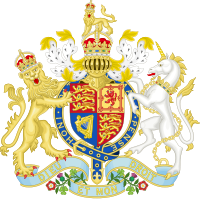 王室徽章(苏格兰除外)
 -
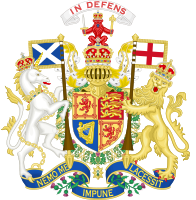 苏格兰王室徽章
.svg)
家庭[编辑]
祖先[编辑]
| 先祖 | ||||||||||||||||||||||||||||||||||||||||||||||||||||||||||||||||||||||||||||||||||||||||||||||||||||||||||||||||||||||||||||||||||||||||||||||||||||||||||||||||||||||||||||||||||||||||||||||||||||||||||||||||||||||||||||||||||||||||||||||||||||||||||||||||||||||||||||||||||||||||||||||||||||||||||||||||||||||||||||||||||||||||||||||||||||||||||||||||||||||||||||||||||||||||||||||||||||||||||||||||||||||||||||||||||||||||||||||||||||||||||||||||||||||||||||||||||||||||||||||||||||||||||||||||||||||||||||||||||
|---|---|---|---|---|---|---|---|---|---|---|---|---|---|---|---|---|---|---|---|---|---|---|---|---|---|---|---|---|---|---|---|---|---|---|---|---|---|---|---|---|---|---|---|---|---|---|---|---|---|---|---|---|---|---|---|---|---|---|---|---|---|---|---|---|---|---|---|---|---|---|---|---|---|---|---|---|---|---|---|---|---|---|---|---|---|---|---|---|---|---|---|---|---|---|---|---|---|---|---|---|---|---|---|---|---|---|---|---|---|---|---|---|---|---|---|---|---|---|---|---|---|---|---|---|---|---|---|---|---|---|---|---|---|---|---|---|---|---|---|---|---|---|---|---|---|---|---|---|---|---|---|---|---|---|---|---|---|---|---|---|---|---|---|---|---|---|---|---|---|---|---|---|---|---|---|---|---|---|---|---|---|---|---|---|---|---|---|---|---|---|---|---|---|---|---|---|---|---|---|---|---|---|---|---|---|---|---|---|---|---|---|---|---|---|---|---|---|---|---|---|---|---|---|---|---|---|---|---|---|---|---|---|---|---|---|---|---|---|---|---|---|---|---|---|---|---|---|---|---|---|---|---|---|---|---|---|---|---|---|---|---|---|---|---|---|---|---|---|---|---|---|---|---|---|---|---|---|---|---|---|---|---|---|---|---|---|---|---|---|---|---|---|---|---|---|---|---|---|---|---|---|---|---|---|---|---|---|---|---|---|---|---|---|---|---|---|---|---|---|---|---|---|---|---|---|---|---|---|---|---|---|---|---|---|---|---|---|---|---|---|---|---|---|---|---|---|---|---|---|---|---|---|---|---|---|---|---|---|---|---|---|---|---|---|---|---|---|---|---|---|---|---|---|---|---|---|---|---|---|---|---|---|---|---|---|---|---|---|---|---|---|---|---|---|---|---|---|---|---|---|---|---|---|---|---|---|---|---|---|---|---|---|---|---|---|---|---|---|---|---|---|---|---|---|---|---|---|---|---|---|---|---|---|---|---|---|---|---|---|---|---|---|---|---|---|---|---|---|---|---|---|---|---|---|---|---|---|---|---|---|---|---|---|---|---|---|---|---|---|---|---|---|---|---|---|---|---|---|---|---|---|---|---|---|---|---|---|---|---|---|---|---|---|---|---|---|---|---|---|---|---|---|---|---|---|---|---|---|---|---|---|---|---|---|
| ||||||||||||||||||||||||||||||||||||||||||||||||||||||||||||||||||||||||||||||||||||||||||||||||||||||||||||||||||||||||||||||||||||||||||||||||||||||||||||||||||||||||||||||||||||||||||||||||||||||||||||||||||||||||||||||||||||||||||||||||||||||||||||||||||||||||||||||||||||||||||||||||||||||||||||||||||||||||||||||||||||||||||||||||||||||||||||||||||||||||||||||||||||||||||||||||||||||||||||||||||||||||||||||||||||||||||||||||||||||||||||||||||||||||||||||||||||||||||||||||||||||||||||||||||||||||||||||||||
子嗣[编辑]

| 名字 | 出生 | 逝世 | 配偶(生卒年份)和子女[167][168] |
|---|---|---|---|
| 維多利亞長公主 英国长公主 德意志帝國 腓特烈皇后 |
11月21日 1840年 |
8月5日 1901年 |
1858年和腓特烈三世结婚 四子,四女,子女包括威廉二世、希臘索菲王后、芬蘭瑪格麗特王后(未受承認) |
| 阿尔伯特·爱德华王子 威爾士親王 爱德华七世 |
11月9日 1841年 |
5月6日 1910年 |
1863年和丹麥的亞歷山德拉结婚; 三子,三女, 子女包括乔治五世、挪威莫德王后,乔治五世是伊丽莎白二世的祖父 |
| 艾丽斯公主 | 4月25日 1843年 |
12月14日 1878年 |
1862年与黑森和莱茵大公路德维希四世结婚(1837–1892) 两子,五女,子女包括维多利亚公主和俄國末代皇后亞歷山德拉·費奧多羅芙娜;维多利亚公主是菲利普親王的外祖母。 |
| 阿尔弗雷德王子 萨克森-科堡-哥达公爵和爱丁堡公爵 |
8月6日 1844年 |
7月31日 1900年 |
1874年和俄罗斯帝国的玛丽亚·亚历山大罗夫娜女大公结婚 (1853–1920); 两子,四女,子女包括羅馬尼亞瑪麗王后 |
| 海伦娜公主 | 5月25日 1846年 |
6月9日 1923年 |
1866年和石勒苏益格-荷尔斯泰因-索恩德堡-奥古斯腾堡的克里斯蒂安王子结婚(1831–1917); 四子(一个死胎),两女。 |
| 路易丝公主 阿盖尔公爵夫人 |
3月18日 1848年 |
12月3日 1939年 |
1871年和第九世阿盖尔公爵约翰·道格拉斯·萨瑟兰·坎贝尔(后来的加拿大總督)结婚 没有后嗣 |
| 阿瑟王子 康诺特和斯特拉森公爵 加拿大總督(1911–1916年) |
5月1日 1850年 |
1月16日 1942年 |
1879年和普鲁士的路易丝·玛格丽特公主结婚(1860–1917) 一子,两女,长女为瑞典瑪格麗特太子妃,女婿即瑞典国王古斯塔夫六世·阿道夫,即今瑞典国王卡尔十六世·古斯塔夫的外曾祖父。 |
| 利奥波德王子 奥尔巴尼公爵 |
4月7日 1853年 |
3月28日 1884年 |
1882年和瓦尔戴克-皮埃蒙特的海伦娜公主结婚(1861–1922); 先有一女爱丽丝,后有一子。其子查尔斯·爱德华在其逝后约四个月出生,他是今瑞典国王的外祖父。女王的三子跟四子皆为今瑞典国王卡尔·古斯塔夫十六世之外曾祖父。 |
| 比阿特丽丝公主 | 4月14日 1857年 |
10月26日 1944年 |
1885年和巴腾堡的亨利王子结婚(1858–1896); 三子,一女,子女包括西班牙維多利亞王后,她是今西班牙国王的曾祖母。 |
紀念事物[编辑]
对维多利亚女王的纪念遍布世界各地,特别是英联邦国家。以她名字命名的地方或事物包括:


等等。
注释[编辑]
参考文献[编辑]
引用[编辑]
- ^ Elizabeth Longford, Victoria RI
- ^ Victoria's journal, 25 April 1838, quoted in Woodham-Smith, p. 162
- ^ St Aubyn, p. 96; Woodham-Smith, pp. 162, 165
- ^ Longford, p. 84; Marshall, p. 52
- ^ Longford, p. 72; Waller, p. 353
- ^ Woodham-Smith, p. 175
- ^ Hibbert, pp. 103–104; Marshall, pp. 60–66; Weintraub, p. 62
- ^ Hibbert, pp. 107–110; St Aubyn, pp. 129–132; Weintraub, pp. 77–81; Woodham-Smith, pp. 182–184, 187
- ^ Hibbert, p. 123; Longford, p. 143; Woodham-Smith, p. 205
- ^ St Aubyn, p. 151
- ^ Hibbert, p. 265, Woodham-Smith, p. 256
- ^ Marshall, p. 152; St Aubyn, pp. 174–175; Woodham-Smith, p. 412
- ^ Hibbert, pp. 421–422; St Aubyn, pp. 160–161
- ^ Woodham-Smith, p. 213
- ^ Hibbert, pp. 130; Longford, p. 154; Marshall, p. 122; St Aubyn, p. 159; Woodham-Smith, p. 220
- ^ Hibbert, p. 149; St Aubyn, p. 169
- ^ Hibbert, p. 149; Longford, p. 154; Marshall, p. 123; Waller, p. 377
- ^ Woodham-Smith, p. 100
- ^ Longford, p. 56; St Aubyn, p. 29
- ^ Hibbert, pp. 150–156; Marshall, p. 87; St Aubyn, pp. 171–173; Woodham-Smith, pp. 230–232
- ^ Queen Victoria and the Princess Royal, Royal Collection, [30 July 2010], (原始内容存档于2011-11-09)
- ^ Hibbert, pp. 422–423; St Aubyn, pp. 162–163
- ^ Hibbert, p. 423; St Aubyn, p. 163
- ^ Longford, p. 192
- ^ St Aubyn, p. 164
- ^ Marshall, pp. 95–101; St Aubyn, pp. 153–155; Woodham-Smith, pp. 221–222
- ^ Woodham-Smith, p. 281
- ^ Longford, p. 359
- ^ The title of Maud Gonne's 1900 article upon Queen Victoria's visit to Ireland
- ^ Famine Queen row in Irish port, BBC News, 15 April 2003 [9 April 2010], (原始内容存档于2019-09-19)
- ^ Kinealy, Christine, Private Responses to the Famine, University College Cork, [27 October 2010], (原始内容存档于2013年4月6日)
- ^ Longford, p. 181
- ^ St Aubyn, p. 215
- ^ St Aubyn, p. 238
- ^ Longford, pp. 175, 187; St Aubyn, pp. 238, 241; Woodham-Smith, pp. 242, 250
- ^ Woodham-Smith, p. 248
- ^ Hibbert, p. 198; Longford, p. 194; St Aubyn, p. 243; Woodham-Smith, pp. 282–284
- ^ Hibbert, pp. 201–202; Marshall, p. 139; St Aubyn, pp. 222–223; Woodham-Smith, pp. 287–290
- ^ Hibbert, pp. 161–164; Marshall, p. 129; St Aubyn, pp. 186–190; Woodham-Smith, pp. 274–276
- ^ Longford, pp. 196–197; St Aubyn, p. 223; Woodham-Smith, pp. 287–290
- ^ Longford, p. 191; Woodham-Smith, p. 297
- ^ St Aubyn, p. 216
- ^ Hibbert, pp. 196–198; St Aubyn, p. 244; Woodham-Smith, pp. 298–307
- ^ Hibbert, pp. 204–209; Marshall, pp. 108–109; St Aubyn, pp. 244–254; Woodham-Smith, pp. 298–307
- ^ Hibbert, pp. 216–217; St Aubyn, pp. 257–258
- ^ 46.0 46.1 46.2 46.3 46.4 46.5 Victoria (1819–1901), queen of the United Kingdom of Great Britain and Ireland, and empress of India. Oxford Dictionary of National Biography. [2020-07-12]. (原始内容存档于2021-03-13) (英语).
- ^ Hibbert, pp. 217–220; Woodham-Smith, pp. 328–331
- ^ Hibbert, pp. 227–228; Longford, pp. 245–246; St Aubyn, p. 297; Woodham-Smith, pp. 354–355
- ^ Woodham-Smith, pp. 357–360
- ^ 1855 visit of Queen Victoria, Château de Versailles, [9 March 2011], (原始内容存档于2013年1月11日)
- ^ Hibbert, pp. 241–242; Longford, pp. 280–281; St Aubyn, p. 304; Woodham-Smith, p. 391
- ^ Hibbert, p. 242; Longford, p. 281; Marshall, p. 117
- ^ Napoleon III Receiving Queen Victoria at Cherbourg, 5 August 1858, National Maritime Museum, [9 March 2011], (原始内容存档于2011-11-09)
- ^ Hibbert, p. 255; Marshall, p. 117
- ^ Longford, pp. 259–260; Weintraub, pp. 326 ff.
- ^ Longford, p. 263; Weintraub, pp. 326, 330
- ^ Hibbert, p. 244
- ^ Hibbert, p. 267; Longford, pp. 118, 290; St Aubyn, p. 319; Woodham-Smith, p. 412
- ^ Hibbert, p. 267; Marshall, p. 152; Woodham-Smith, p. 412
- ^ Hibbert, pp. 265–267; St Aubyn, p. 318; Woodham-Smith, pp. 412–413
- ^ Waller, p. 393; Weintraub, p. 401
- ^ Hibbert, p. 274; Longford, p. 293; St Aubyn, p. 324; Woodham-Smith, p. 417
- ^ Longford, p. 293; Marshall, p. 153; Strachey, p. 214
- ^ Hibbert, pp. 276–279; St Aubyn, p. 325; Woodham-Smith, pp. 422–423
- ^ Hibbert, pp. 280–292; Marshall, p. 154
- ^ Hibbert, p. 299; St Aubyn, p. 346
- ^ St Aubyn, p. 343
- ^ e.g. Strachey, p. 306
- ^ Marshall, pp. 170–172; St Aubyn, p. 385
- ^ Hibbert, p. 310; Longford, p. 321; St Aubyn, pp. 343–344; Waller, p. 404
- ^ Hibbert, p. 310; Longford, p. 322
- ^ Hibbert, pp. 323–324; Marshall, pp. 168–169; St Aubyn, p. 356–362
- ^ Hibbert, pp. 321–322; Longford, pp. 327–328; Marshall, p. 170
- ^ Hibbert, p. 329; St Aubyn, pp. 361–362
- ^ Hibbert, pp. 311–312; Longford, p. 347; St Aubyn, p. 369
- ^ St Aubyn, pp. 374–375
- ^ Marshall, p. 199; Strachey, p. 299
- ^ Hibbert, p. 318; Longford, p. 401; St Aubyn, p. 427; Strachey, p. 254
- ^ Buckle, George Earle;Monypenny, W. F. (1910–20) The Life of Benjamin Disraeli, Earl of Beaconsfield, vol. 5, p. 49, quoted in Strachey, p. 243
- ^ Longford, p. 381; St Aubyn, pp. 385–386; Strachey, p. 248
- ^ St Aubyn, pp. 385–386; Strachey, pp. 248–250
- ^ Longford, p. 385
- ^ Hibbert, p. 343
- ^ Hibbert, pp. 343–344; Longford, p. 389; Marshall, p. 173
- ^ Hibbert, pp. 344–345
- ^ Hibbert, p. 345; Longford, pp. 390–391; Marshall, p. 176; St Aubyn, p. 388
- ^ Hibbert, pp. 426–427; St Aubyn, pp. 388–389
- ^ Hibbert, p. 427; Marshall, p. 176; St Aubyn, p. 389
- ^ Hibbert, pp. 249–250; Woodham-Smith, pp. 384–385
- ^ Woodham-Smith, p. 386
- ^ 91.0 91.1 Hibbert, p. 251; Woodham-Smith, p. 386
- ^ Hibbert, p. 361; Longford, p. 402; Marshall, pp. 180–184; Waller, p. 423
- ^ Hibbert, pp. 295–296; Waller, p. 423
- ^ Hibbert, p. 361; Longford, pp. 405–406; Marshall, p. 184; St Aubyn, p. 434; Waller, p. 426
- ^ Waller, p. 427
- ^ 96.0 96.1 Victoria quoted in Longford, p. 426
- ^ Longford, pp. 412–413
- ^ Longford, p. 426
- ^ Longford, p. 411
- ^ Hibbert, pp. 367–368; Longford, p. 429; Marshall, p. 186; St Aubyn, pp. 442–444; Waller, pp. 428–429
- ^ Letter from Victoria to Montagu Corry, 1st Baron Rowton, quoted in Hibbert, p. 369
- ^ Longford, p. 437
- ^ Hibbert, p. 420; St Aubyn, p. 422
- ^ Hibbert, p. 420; St Aubyn, p. 421
- ^ Hibbert, pp. 420–421; St Aubyn, p. 422; Strachey, p. 278
- ^ Hibbert, p. 427; Longford, p. 446; St Aubyn, p. 421
- ^ Longford, pp. 451–452
- ^ Longford, p. 454; St Aubyn, p. 425; Hibbert, p. 443
- ^ Hibbert, pp. 443–444; St Aubyn, pp. 425–426
- ^ Hibbert, pp. 443–444; Longford, p. 455
- ^ Hibbert, p. 444; St Aubyn, p. 424; Waller, p. 413
- ^ Longford, p. 461
- ^ Longford, pp. 477–478
- ^ Hibbert, p. 373; St Aubyn, p. 458
- ^ Waller, p. 433; see also Hibbert, pp. 370–371 and Marshall, pp. 191–193
- ^ Hibbert, p. 373; Longford, p. 484
- ^ Hibbert, p. 374; Longford, p. 491; Marshall, p. 196; St Aubyn, pp. 460–461
- ^ Queen Victoria (页面存档备份,存于互联网档案馆),Royal Household
- ^ Queen Victoria, Royal Household, [26 February 2011], (原始内容存档于2021-03-13)
- ^ Marshall, pp. 210–211; St Aubyn, pp. 491–493
- ^ Longford, p. 502
- ^ Hibbert, pp. 447–448; Longford, p. 508; St Aubyn, p. 502; Waller, p. 441
- ^ Hibbert, pp. 448–449
- ^ Hibbert, pp. 449–451
- ^ Hibbert, p. 447; Longford, p. 539; St Aubyn, p. 503; Waller, p. 442
- ^ Hibbert, p. 454
- ^ Hibbert, p. 382
- ^ Hibbert, p. 375; Longford, p. 519
- ^ Hibbert, p. 376; Longford, p. 530; St Aubyn, p. 515
- ^ Hibbert, p. 377
- ^ Hibbert, p. 436; St Aubyn, p. 508
- ^ Hibbert, pp. 437–438; Longford, pp. 554–555; St Aubyn, p. 555
- ^ Longford, p. 558
- ^ Hibbert, p. 456
- ^ Longford, p. 546; St Aubyn, pp. 545–546
- ^ Hibbert, pp. 457–458; Marshall, pp. 206–207, 211; St Aubyn, pp. 546–548
- ^ Hibbert, p. 497; Longford, p. 563
- ^ Hibbert, pp. 464–466, 488–489; Strachey, p. 308; Waller, p. 442
- ^ Victoria's journal, 1 January 1901, quoted in Hibbert, p. 492; Longford, p. 559 and St Aubyn, p. 592
- ^ Her personal physician Sir James Reid, quoted in Hibbert, p. 492
- ^ Longford, p. 561; St Aubyn, p. 598
- ^ St Aubyn, p. 598
- ^ Longford, p. 563
- ^ Hibbert, p. 498
- ^ Longford, p. 565; St Aubyn, p. 600
- ^ 数字比拼:伊丽莎白二世与维多利亚女王. BBC. 2015-09-06 [2015-09-09]. (原始内容存档于2021-03-13).
- ^ St Aubyn, p. 30; Woodham-Smith, p. 87
- ^ Hibbert, pp. 503–504; St Aubyn, p. 30; Woodham-Smith, pp. 88, 436–437
- ^ Hibbert, p. 503
- ^ Hibbert, pp. 503–504; St Aubyn, p. 624
- ^ Hibbert, pp. 61–62; Longford, pp. 89, 253; St Aubyn, pp. 48, 63–64
- ^ Marshall, p. 210; Waller, pp. 419, 434–435, 443
- ^ Waller, p. 439
- ^ St Aubyn, p. 624
- ^ Hibbert, p. 504; St Aubyn, p. 623
- ^ e.g. Hibbert, p. 352; Strachey, p. 304; Woodham-Smith, p. 431
- ^ Waller, p. 429
- ^ Bagehot, Walter (1867) The English Constitution, London:Chapman and Hall, p. 103
- ^ St Aubyn, pp. 602–603; Strachey, pp. 303–304; Waller, pp. 366, 372, 434
- ^ Erickson, Carolly (1997) Her Little Majesty: The Life of Queen Victoria, New York: Simon & Schuster, ISBN 0-7432-3657-2
- ^ Rogaev, Evgeny I. et al. (2009) "Genotype Analysis Identifies the Cause of the 'Royal Disease'" (页面存档备份,存于互联网档案馆), Science, vol. 326, no. 5954, p. 817, doi:10.1126/science.1180660, retrieved 13 October 2010
- ^ Potts and Potts, pp. 55–65, quoted in Hibbert p. 217; Packard, pp. 42–43
- ^ Jones, Steve(1996) In the Blood, BBC documentary
- ^ McKusick, Victor A. (1965) "The Royal Hemophilia", Scientific American, vol. 213, p. 91; Jones, Steve(1993) The Language of the Genes, London: HarperCollins, ISBN 0-00-255020-2, p. 69; Jones, Steve (1996) In The Blood: God, Genes and Destiny, London: HarperCollins, ISBN 0-00-255511-5, p. 270; Rushton, Alan R. (2008) Royal Maladies: Inherited Diseases in the Royal Houses of Europe, Victoria, British Columbia: Trafford, ISBN 1-4251-6810-8, pp. 31–32
- ^ Hemophilia B (Factor IX), National Hemophilia Foundation, [20 June 2010], (原始内容存档于2007-12-01)
- ^ Patterson, Stephen (1996) Royal Insignia, London: Merrell Holberton, ISBN 9781858940250
- ^ Whitaker's Almanack (1900) Facsimile Reprint 1998, London: Stationery Office, ISBN 0-11-702247-0, p. 86
- ^ Whitaker's Almanack (1993) Concise Edition, London: J. Whitaker and Sons, ISBN 0-85021-232-4, pp. 134–136
来源[编辑]
- 传记书籍
- Hibbert, Christopher (2000) Queen Victoria: A Personal History, London: HarperCollins, ISBN 0-00-638843-4
- Longford, Elizabeth (1964) Victoria R.I., London: Weidenfeld & Nicolson, ISBN 0-297-17001-5
- Marshall, Dorothy (1972) The Life and Times of Queen Victoria, London: Weidenfeld & Nicolson, ISBN 0-297-83166-6 [1992 reprint]
- Packard, Jerrold M. (1998) Victoria's Daughters, New York: St. Martin's Press, ISBN 0-312-24496-7
- Potts, D. M.; Potts, W. T. W. (1995) Queen Victoria's Gene: Haemophilia and the Royal Family, Stroud: Alan Sutton, ISBN 0-7509-1199-9
- St Aubyn, Giles (1991) Queen Victoria: A Portrait, London: Sinclair-Stevenson, ISBN 1-85619-086-2
- Strachey, Lytton (1921) Queen Victoria, London: Chatto and Windus online edition (页面存档备份,存于互联网档案馆)
- Waller, Maureen (2006) Sovereign Ladies: The Six Reigning Queens of England, London: John Murray, ISBN 0-7195-6628-2
- Weintraub, Stanley (1997) Albert: Uncrowned King, London: John Murray, ISBN 0-7195-5756-9
- Woodham-Smith, Cecil (1972) Queen Victoria: Her Life and Times 1819–1861, London: Hamish Hamilton, ISBN 0-241-02200-2
- Benson, A.C.; Esher, Viscount (editors, 1907) The Letters of Queen Victoria: A Selection of Her Majesty's Correspondence Between the Years 1837 and 1861, London: John Murray online edition (页面存档备份,存于互联网档案馆)
- Bolitho, Hector (editor, 1938) Letters of Queen Victoria from the Archives of the House of Brandenburg-Prussia, London: Thornton Butterworth
- Buckle, George Earle (editor, 1926) The Letters of Queen Victoria, 2nd Series 1862–1885, London: John Murray
- Buckle, George Earle (editor, 1930) The Letters of Queen Victoria, 3rd Series 1886–1901, London: John Murray
- Connell, Brian (1962) Regina v. Palmerston: The Correspondence between Queen Victoria and her Foreign and Prime Minister, 1837–1865, London: Evans Brothers
- Duff, David (editor, 1968) Victoria in the Highlands: The Personal Journal of Her Majesty Queen Victoria, London: Muller
- Dyson, Hope; Tennyson, Charles (editors, 1969) Dear and Honoured Lady: The Correspondence between Queen Victoria and Alfred Tennyson, London: Macmillan
- Esher, Viscount (editor, 1912) The Girlhood of Queen Victoria: A Selection from Her Majesty's Diaries, 1832–40, London: John Murray online edition (页面存档备份,存于互联网档案馆); vol 2 online (页面存档备份,存于互联网档案馆)
- Fulford, Roger (editor, 1964) Dearest Child: Letters Between Queen Victoria and the Princess Royal, 1858–61, London: Evans Brothers
- Fulford, Roger (editor, 1968) Dearest Mama: Letters Between Queen Victoria and the Crown Princess of Prussia, 1861–64, London: Evans Brothers
- Fulford, Roger (editor, 1971) Beloved Mama: Private Correspondence of Queen Victoria and the German Crown Princess, 1878–85, London: Evans Brothers
- Fulford, Roger (editor, 1971) Your Dear Letter: Private Correspondence of Queen Victoria and the Crown Princess of Prussia, 1863–71, London: Evans Brothers
- Fulford, Roger (editor, 1976) Darling Child: Private Correspondence of Queen Victoria and the German Crown Princess of Prussia, 1871–78, London: Evans Brothers
- Hibbert, Christopher (editor, 1984) Queen Victoria in Her Letters and Journals, London: John Murray, ISBN 0719541077
- Hough, Richard (editor, 1975) Advice to a Grand-daughter: Letters from Queen Victoria to Princess Victoria of Hesse, London: Heinemann, ISBN 0434348619
- Jagow, Kurt (editor, 1938) Letters of the Prince Consort 1831–61, London: John Murray
- Mortimer, Raymond (editor, 1961) Queen Victoria: Leaves from a Journal, New York: Farrar, Straus & Cudahy
- Ponsonby, Sir Frederick (editor, 1930) Letters of the Empress Frederick, London: Macmillan
- Ramm, Agatha (editor, 1990) Beloved and Darling Child: Last Letters between Queen Victoria and Her Eldest Daughter, 1886–1901, Stroud: Sutton Publishing, ISBN 9780862998806
- Victoria, Queen (1868) Leaves from the Journal of Our Life in the Highlands from 1848 to 1861, London: Smith, Elder online edition (页面存档备份,存于互联网档案馆)
- Victoria, Queen (1884) More Leaves from the Journal of Our Life in the Highlands from 1862 to 1882, London: Smith, Elder
进阶阅读[编辑]
- Arnstein, Walter L. (2003) Queen Victoria, New York: Palgrave Macmillan, ISBN 978-0333638064
- Gardiner, Juliet (1997) Queen Victoria, London: Collins and Brown, ISBN 978-1855854697
- Weintraub, Stanley (1987) Victoria: Biography of a Queen, London: HarperCollins, ISBN 978-0049230842
外部链接[编辑]
 |
维基文库中该作者的作品: 維多利亞女王 |
 |
维基语录上的维多利亚女王语录 |
 |
维基共享资源中相关的多媒体资源:维多利亚女王 |
- Footage of Queen Victoria's Funeral, 1901 (页面存档备份,存于互联网档案馆)
- Works by Queen Victoria at archive.org
- The Death of Queen Victoria (页面存档备份,存于互联网档案馆) Original reports from The Times
- 英國國家檔案館里相關的資料 维多利亚女王
- Historical Images related to Victoria at English Heritage
维多利亚女王 出生于:1819年5月24日逝世於:1901年1月22日
| ||
|---|---|---|
| 統治者頭銜 | ||
| 前任者: 威廉四世 |
.svg) 联合王国女王 1837年6月20日-1901年1月22日 |
繼任者: 爱德华七世 |
| 新頭銜 | .svg) 印度女皇帝 1876年5月1日-1901年1月22日 | |
| |||||||||||||||||||||||||||||||||||||||||||
| ||||||||||||||||||||||||||||||||||||||||||||||||||||||||||||||||||||||||
| ||||||||||||||||||||||||||||||||
