

偶蹄目
偶蹄目 化石时期:始新世早期至今
| |
|---|---|
 | |
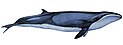
| 偶蹄目动物:鲸鱼和海豚等鲸目动物不是典型的偶蹄动物,属于特化类群;偶蹄动物有时被称为鯨偶蹄目(Cetartiodactyla)来反映这一点。[1] | |
科学分类 
| |
| 界: | 动物界 Animalia |
| 门: | 脊索动物门 Chordata |
| 纲: | 哺乳纲 Mammalia |
| 演化支: | 有阴囊类 Scrotifera |
| 大目: | 猛獸有蹄大目 Ferungulata |
| 演化支: | 泛真有蹄類 Pan-Euungulata |
| 上目: | 真有蹄上目 Euungulata |
| 演化支: | 副軸類 Paraxonia |
| 目: | 偶蹄目 Artiodactyla Owen, 1848 |
| 演化支 | |
| 異名 | |
| |
偶蹄目(學名:Artiodactyla),是哺乳动物中的一个目,约220种,其中包括许多对人类生活很重要的动物。偶蹄目动物是现代进步的繁盛的有蹄类,90%的现存有蹄动物都是偶蹄动物。其中又以牛科最为繁盛。除了陆地上的种类,四足已经高度退化的海洋动物鲸豚类也是属于这一演化支。
偶蹄动物的进化[编辑]

偶蹄目动物由古新世的踝节目动物进化而来。基本上从始新世开始分化。中新世和上新世是其进化的重要时期。
外形上,早期的偶蹄动物类似今天的鼷鹿(Tragulidae):小巧,短腿,以叶子为食。始新世晚期(4600万年前),三个现代亚目已开始分化:猪形亚目、胼足亚目和反刍亚目。然而偶蹄目并没有占据生态主导地位,当时是奇蹄目的繁盛时期。偶蹄动物只能占据一些边缘生态位艰难维生。但是同时它们也在这个时候开始了复杂的消化系统的进化,从而能够以低级食料为生。
始新世开始出现草。中新世的时候全球气候变干燥少雨,大量雨林枯亡,草原开始发育,并向全球蔓延开来。草本身是一种非常难以消化的食物,而唯有拥有复杂消化系统的偶蹄动物能有效地利用这种粗糙、低营养的食物。很快偶蹄动物就取代了奇蹄动物的生态位,成为了食草动物的主导。
偶蹄动物分为两大类,然而各类内部形态差异很大。猪形亚目(猪、西猯)保留四趾,臼齿简单,腿短。犬齿常常变大成獠牙。它们大多属于杂食动物,胃构造简单(器官構造與人類最近)。骆驼类和反刍类则相反,倾向于向长腿、两趾和复杂颊齿(用于对食草的适应)和复杂胃。伴随复杂消化系统的出现,它们有了反刍的行为:将半消化状态的食团吐回嘴里重新加以咀嚼后下咽以获得对养分的最大程度利用。
根据分子生物学研究,早期偶蹄动物中与河马最接近的一支杂食有蹄动物,即鲸下目,在始新世就返回大海,演化为今天的鲸。豬型亞目多數是雜食性(鯨類完全食肉性)。
所有有蹄哺乳動物的最早祖先可能至少部分是食肉動物或食腐動物,今天的奇蹄動物和偶蹄動物在進化後期成為食草動物。然而,鯨魚保留了牠們的肉食性飲食,因為獵物更容易獲得,同時牠們需要更高的熱量才能作為海洋溫血動物生存。然而早期的食肉偶蹄動物被食肉目動物超越,只剩下鯨類分枝仍生存。
相關研究[编辑]

鯨類是從偶蹄目演化的理论是基於DNA序列的分析结果。在最初的分子分析中,顯示鯨類較豬更接近反芻亞目(如牛及鹿)。為了在目名反映這種演化關係,故出現了鯨偶蹄類。
後期的分子分析提供了更完整的線索。河馬被認為是鯨類的近親,反芻亞目與鯨/河馬的分支有關,而豬則被分類在更遠的位置。除了新增了鯨/河馬分支外,分析更顯示河馬及豬並非近親。這個結果很富爭議,因為傳統分類正有基於豬與河馬形態的相似而成立的豬形亞目。
除了DNA及蛋白質序列外,學者追蹤了基因組中一種稱為短散落配置(SINE)的轉位子。DNA序列的轉位子會有時將自己複製,並將複製品插入基因組的另一個位置。但 SINE 沒可能會將自己插入基因組的同一位置。數據顯示鯨魚、反芻亞目及河馬的基因組中,有幾個轉位子將自己插入同一位置上。在駱駝及豬的基因組中並沒有這個插入點。


不同的 DNA 序列測試都得出同一個結論:即河馬與鯨類非常接近,而和其他偶蹄目相對疏遠。這一點從鯨與河馬都具有許多共同的行為和生理特徵;如一層緻密的皮下脂肪和大部分無毛的身體(也缺乏皮脂腺),並具有相似的發聲和聽覺結構。可以利用超聲波在水中分辨敵友和在水中育兒(交配,產子和哺乳),以及陰嚢藏於腹腔内和有相近的消化系統可以看出。此外,這兩種動物都有單葉肺(類似於其他水生哺乳動物),可以更快地充滿空氣。這對兩棲和水生生物來說都是一個關鍵的適應,因為它減少了頻繁前往水面的危險。。
牠們也與較小魚類有共生關係,它們將其用作清潔站,使較小的生物以進入生物口腔的寄生蟲為食。
形態學及古生物學對鯨類與其他哺乳動物的關係亦於 1990 年代後出現很大變化。一些化石發現(如羅德侯鯨)顯示鯨類並非從中爪獸目衍生或與其是近親。很多学者支持成立鲸偶蹄目的分支,但也有部分學者反對鲸類與河马共祖的说法,认为三個亞目的傳統偶蹄目仍然是一个有效的分支,而四個亞目的鲸偶蹄类(即修正後的偶蹄目)则可能是一个大目或总目。
鯨/河馬学说认为鲸类与河马类在 6000 万年前拥有共同的半水栖祖先[2],直到 5400 万年前才分化成两支[3],其中一支演化成鲸类,可能始于巴基鲸及其他古鲸亚目近亲,它们渐渐适应水下生活,最后演化成完全水生的鲸类[4]。因此,此学说认为鲸偶蹄類才是有效的单系群分类。反對者的理由是,目前發現最早的河馬化石產生於中新世,而鯨類的分化則可上溯至始新世,鯨/河馬假說出現了一個 3000 萬年缺少河馬祖先存在的空白期。一些形態學研究指出石炭獸科是河馬的祖先,但卻得不到有力支持。
分类和系统发育[编辑]

偶蹄类动物的分类受到了热烈的争论,因为栖息在海洋中的鯨豚類从陆生的偶蹄类动物进化而来。有些有蹄类动物(河马)与海洋栖息的鲸目动物比其他偶蹄类动物有更密切的关系。
这使得偶蹄动物传统上被定义为无效的並系群分类,因为它包括来自共同祖先的动物,但不包括其所有后代。系统发育分类只识别单系群分类群; 也就是从一个共同的祖先下降,并包括其所有后代的群体。为了解决这个问题,传统的偶蹄目和鯨目有时被归入更具包容性的鯨偶蹄目(Cetartiodactyla)分类群中[1]。另一种方法是在修订后的偶蹄目分类单元中包括陆地居住的甚至有蹄类动物和海洋栖息的鲸类动物(鲸目改为鲸下目)[5]。
下级分类[编辑]

- 偶蹄目 Artiodactyla(广义,与鯨偶蹄目等义)[5][6]
- †科 Antiacodontidae
- †河猪科 Choeropotamidae
- †丽猪科 Leptochoeridae
- 胼足亚目 Tylopoda
- 全撰类 Artiofabula
- 猪形亚目 Suina
- 鲸反刍类 Cetruminantia
- 反刍亚目 Ruminantia
- 鲸凹齿形类 Cetancodontamorpha[5][7]
- ?†安氏兽属 Andrewsarchus
- †豨科 Entelodontidae
- 河马形亚目 Whippomorpha
- †双锥齿兽总科 Dichobunoidea
- 凹齿下目 Ancodonta
- 鲸形类 Cetaceomorpha
- †劳氏兽科 Raoellidae
- 鲸下目 Cetacea
- †巴基鲸科 Pakicetidae
- †陆行鲸科 Ambulocetidae
- †雷明頓鯨科 Remingtonocetidae
- †原鲸科 Protocetidae
- †龙王鲸科 Basilosauridae
- 须鲸小目 Mysticeti
- †未定属 Coronodon
- †艾什欧鲸科 Aetiocetidae
- †科 Llanocetidae
- †乳齿鲸科 Mammalodontidae
- †齿须鲸科 Mystacodontidae
- 无齿须鲸类 Chaeomysticeti
- 齿鲸小目 Odontoceti
种系发生学[编辑]
本目各亚目的演化关系如下:
| 偶蹄目 |
| ||||||||||||||||||||||||||||||||||||
| Artiodactyla |



偶蹄目与人类的相互作用[编辑]

驯化[编辑]
偶蹄目动物对人类很重要。从史前开始偶蹄目动物就是人类的主要蛋白质来源,是古人类的重要的狩猎对象。在法国和西班牙的岩洞里留下的克罗马农人画的壁画,里面就包括了大量的野牛、北山羊等偶蹄动物。几乎所有的人类文明裡都有偶蹄动物的存在(比如旧大陆诸文明里的牛、羊、骆驼,南美印第安人文明里的骆马、羊驼等)。人类最早驯化的家畜裡就有偶蹄动物。偶蹄动物是构成了人类畜牧业和农业的重要成分,是人类最主要的肉、乳制品来源动物,也是皮革业的重要来源动物。
參見[编辑]
参考文献[编辑]
- ^ 1.0 1.1 Montgelard, Claudine; Catzeflis, Francois M.; Douzery, Emmanuel. Phylogenetic relationships of artiodactyls and cetaceans as deduced from the comparison of cytochrome b and 12S rRNA mitochondrial sequences (PDF). Molecular Biology and Evolution. 1997, 14 (5): 550–559 [2018-01-21]. PMID 9159933. doi:10.1093/oxfordjournals.molbev.a025792. (原始内容存档于2020-09-04) (英语).
- ^ Scientists find missing link between the dolphin, whale and its closest relative, the hippo. Science News Daily. 2005-01-25 [2007-06-18]. (原始内容存档于2007-03-04).
- ^ Ursing,B.M.; U. Arnason. Analyses of mitochondrial genomes strongly support a hippopotamus-whale clade. Proceedings of the Royal Society. 1998, 265 (1412): 2251–5. PMC 1689531
 . PMID 9881471. doi:10.1098/rspb.1998.0567.
- ^ Boisserie, Jean-Renaud; Fabrice Lihoreau and Michel Brunet. The position of Hippopotamidae within Cetartiodactyla. Proceedings of the National Academy of Sciences. February 2005, 102 (5): 1537–1541. PMC 547867 . PMID 15677331. doi:10.1073/pnas.0409518102.
- ^ 5.0 5.1 5.2 Spaulding, M; O'Leary, MA; Gatesy, J. Farke, Andrew Allen , 编. Relationships of Cetacea (Artiodactyla) Among Mammals: Increased Taxon Sampling Alters Interpretations of Key Fossils and Character Evolution. PLoS ONE. 2009, 4 (9): e7062. Bibcode:2009PLoSO...4.7062S. PMC 2740860 . PMID 19774069. doi:10.1371/journal.pone.0007062 (英语).
- ^ Groves, Colin P.; Grubb, Peter. Ungulate Taxonomy. Baltimore, Maryland: Johns Hopkins University Press. 2011: 25. ISBN 978-1-4214-0093-8 (英语).
- ^ A 'consensus cladogram' for artiodactyls. Tetrapod Zoology. [24 February 2015]. (原始内容存档于2020-10-20) (英语).

外部链接[编辑]
 维基共享资源上的相關多媒體資源:偶蹄目
 維基物種上的相關信息:偶蹄目
- 偶蹄目介绍和照片
- (英文)Ungulate Taxonomy: A new perspective from Groves and Grubb (2011) (页面存档备份,存于互联网档案馆)


| ||||||||||||||||||||||||||||||||||||||||||||||||||||||||||||||||||||||||||||||||||||||||||||||||||||||||||||||||||||||||||||||||||||||||||||||||||||||||||||||||||||||||||||||||||||||||||||||||||||||||||||||||||||||||||||||||||||||||||||||||||||||||||||||||||||||||||||||||||||||||||||||||||||||||||||||||||||||||||||||||||||||||||||||||||||||||||||||||||||||||||||||||||||||||||||||||||||||||||||||||||||||||||||||||||||||||||||||||||||||||||||||||||||||||||||||||||||||||||||||||||||||||||||||||||||||||||||||||||||||||||||||||||||||||||||||||||||||||||||||||||||||||||||||||||||||||||||||||||||||||||||||||||||||||||||||||||||||||||||||||||||||||||||||||||||||||||||||||||||||||

| ||||||||||||
| ||||||||||||
